In the hustle and bustle of our everyday lives, it can feel like we’re living under increasing pressure to perform, so it’s no wonder we experience feelings of anxiety – here are seven tips on how to better manage and understand this state of being.
CREDIT: This is an edited version of an article that originally appeared on Calmer
High stress can lead to an increase in cortisol, the primary stress hormone, and adrenaline, leading us to feel in constant fight, flight or freeze mode. Short bursts of stress can help us to overcome difficult situations, however, when stress escalates to a high level for long periods of time, this can have a detrimental effect on how we function on a daily basis.
One of the most common symptoms of chronic stress is anxiety, of which the symptoms include feelings of worry, fear, overwhelm and apprehension. Managing anxiety helps to improve our overall happiness, motivation, and enjoyment in life, and can prevent us from developing health issues.
Amelia Ruth explores how to identify the signs of anxiety, and shares seven tips on how to manage anxiety in your everyday life.
Practice breathing techniques
Simple, yet incredibly effective. Practising breathing techniques can make a long-lasting impact. When we feel anxious, we can experience shallow and rapid breaths.
Such breathing may lower oxygen and elevate carbon dioxide in our blood circulation, and this results in increased heart rate, muscle tension, sweating, and fatigue, to name a few.
Many deep breathing exercises can help you to change this pattern, reduce stress, and calm your mind and body.
There are many approaches to try out, and a common technique is called 4-7-8 breathing. It involves inhaling through the nose for four seconds, holding the breath for seven seconds, and exhaling through the mouth for eight seconds.
Recruit support and talk to someone
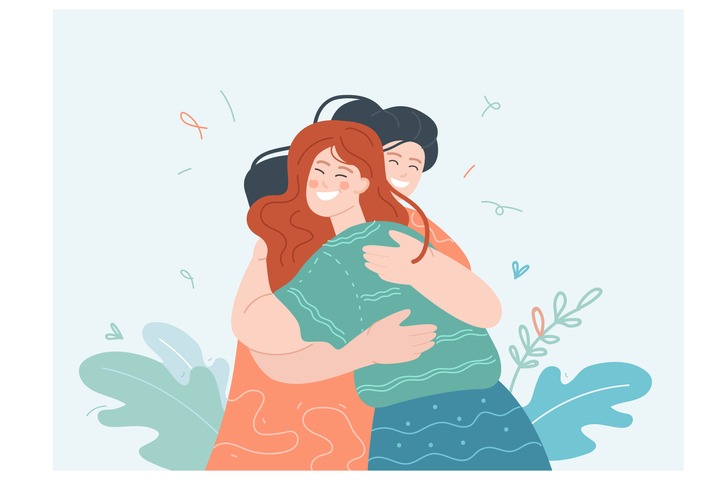
We can feel much better when we share our thoughts and feelings with someone we love, appreciate, and trust. Sharing challenging emotions can help to take the pressure off your shoulders and create more ease.
As the saying goes, a problem shared is a problem halved. Whether you speak to a friend, partner, family member, colleague or join a support group of people who are experiencing similar challenges, identify what would help you most and notice how this can alleviate feelings of stress and worry.
Find a reason to laugh
According to studies, enjoying a good chuckle can benefit your mental health and reduce symptoms of anxiety and depression. Research shows that laughter can decrease stress. In addition, it can provide a surge of neurotransmitters linked to positive emotions, such as dopamine and serotonin.
Try to look for humour in your everyday life and enjoy a good laugh – you can find inspiration in books, movies, and spending time with friends, to name a few.
Keep a positive attitude
When you first start noticing signs of anxiety, bring your awareness to what brings you joy – from the small things to the bigger things.
It may sound easier said than done, but living with an anxiety disorder does not define who you are – it’s what you’re experiencing at this time in your life, and it can change with the right kind of support for you; you can still lead a productive and meaningful life.
Eat a healthy and nutritious diet
As the saying goes, we are what we eat.
The most recommended brain boosting foods include fish fat, berries, turmeric, broccoli, dark chocolate, nuts, coffee, and seeds. It’s important to be aware of consuming too many processed foods, sugary snacks and drinks, fried foods, and alcohol.
Studies have shown that good quality nutrition plays an important role in contributing to the prevention of poor mental health, and that nurturing your mental and physical health in equal measure is vital for your overall health and wellbeing.
Practice regular physical activity
Practising any sport for 30 minutes to an hour each day or every few days is a brilliant way to relieve any pressure and calm your mind and body. Whether it’s running, cycling, gardening, yoga or dancing – pick something you enjoy and look forward to doing.
There are many benefits of regular exercise and its impact on your mental health and wellbeing. Keeping fit and managing your diet is essential for leading a healthy lifestyle.
Nurture your sleep routine
Sleep is the time when our body flushes out toxins, regenerates, integrates memory, and undergoes a series of other changes that are crucial for our wellbeing.
Studies show that there is a direct correlation between sleep deprivation and anxiety levels. Therefore, prioritising your sleep can help to support your cognitive functions and reduce symptoms of anxiety.
While these tips are a great starting point for anyone experiencing symptoms of anxiety, if your symptoms are persisting or you’re struggling to cope day-to-day, it’s always advisable to consult with your medical doctor for professional guidance.



Be the first to comment